
Notable People
A list of those buried at Arnos Vale is a who's who of Victorian Bristol. The Cemetery accommodated both Anglicans and Nonconformists. From the wealthiest families to paupers who died in the city's immense parish workhouses. Here you will find powerful industrial families alongside social reformers and campaigners.

A Garden Cemetery
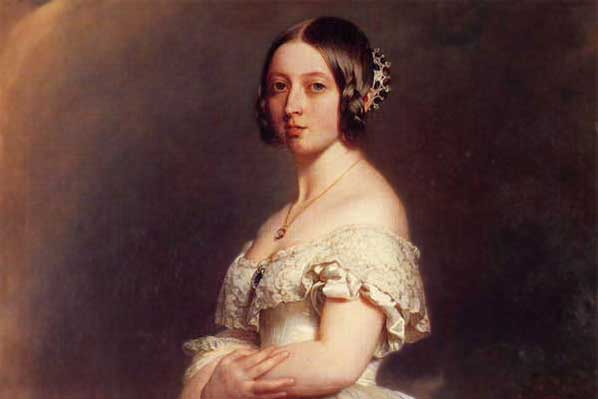
Queen Victoria was new to the throne when Arnos Vale opened in 1839.
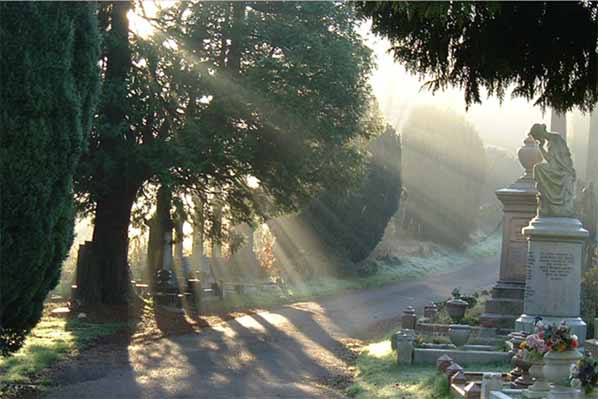
Arnos Vale was to be a garden cemetery, inspired by the Père-Lachaise in Paris and later, London's Kensal Green. By then, Bristol's old parish graveyards were overcrowded, and a health hazard. The Bristol General Cemetery Company was set up to provide a stylish yet spacious alternative.
It bought land in the outlying and picturesque village of Brislington. Putting forward plans for a cemetery that would be filled with sunlight, fresh air, trees and shrubs, with its architecture and landscaping designed to echo classical Greece.
Wilderness Restored
In 1987 locals formed the Association for the Preservation of Arnos Vale Cemetery.
Alarmed by news that the private owner of the Cemetery had announced plans to clear and commercially develop a large section of the Cemetery, they campaigned to secure a safe future for Arnos Vale, supported by the Bristol council, Bristol citizens and many people worldwide.
The group later became known as the Friends of Arnos Vale. The Friends have authored a fascinating overview of the cemeteries history from the cirumstances which led to its creation to their invaluable work to secure it's future.
Monuments & Epitaphs
The chapels and gate lodges at Arnos Vale appear on the UK's register of places of special architectural merit &/or heritage value. In addition, the site contains 25 listed monuments, as well as many others of great historic interest. The Rajah Rammohun Roy Chattri is listed Grade II* and is a Bristol landmark.
Sculpture & Symbolism
The inscriptions on some of the monuments in Arnos Vale Cemetery simply record the details of who lies beneath. Many tell a more detailed story, containing personal symbolic imagery.
There are some recurring themes of loss and resurrection.
